
Learning how to drive a car is an essential life skill that offers independence, convenience, and
confidence. Whether you’re a complete beginner or someone looking to refine your driving
basics, understanding the fundamentals is key to becoming a safe and responsible driver. In this
guide, we’ll walk you through everything you need to know—from understanding the controls to
driving on the road with confidence.
1. Understanding the Basics of a Car
Before you start driving, it’s important to familiarize yourself with the basic components of a car.
Every vehicle has essential controls that you must understand:
- Steering Wheel – Used to control the direction of the car.
- Accelerator (Gas Pedal) – Increases speed.
- Brake Pedal – Slows down or stops the car.
- Clutch (in manual cars) – Helps in changing gears.
- Gear Shift – Used to change speed levels (manual or automatic).
- Mirrors (rear-view & side mirrors) – Help you see traffic behind and beside you. Knowing these parts builds your confidence and ensures you’re not overwhelmed when you
start driving.
2. How to Drive cars: Manual vs Automatic
Before learning how to drive, you should know the difference between manual and automatic
cars:
A) Manual Cars
-Require using a clutch and gear shift
-More control over the vehicle
-Slightly harder for beginners
B) Automatic Cars
-No clutch pedal
-Easier to learn and drive
-Ideal for beginners
If you’re just starting out how to drive a car, automatic cars are usually easier. However, learning manual gives you
greater flexibility.
3. Preparing to Drive
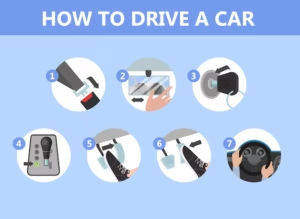
Before you even start the engine, follow these steps:
1)Adjust Your Seat
Make sure you can comfortably reach the pedals and steering wheel. Your knees should be
slightly bent.
2)Adjust Mirrors
Ensure you have a clear view of the road behind and beside you.
3)Fasten Your Seatbelt
This is non-negotiable. Safety always comes first.
4)Check Surroundings
Look around your car for any obstacles or pedestrians.
4. Starting the Car
A) For Automatic Cars:
-Insert the key or press the start button.
-Ensure the gear is in “P” (Park).
-Press the brake pedal.
-Start the engine.
B) For Manual Cars:
-Press the clutch fully.
-Put the gear in neutral.
-Start the engine.
5. Moving the Car
A) In Automatic Cars:
-Press the brake pedal.
-Shift gear to “D” (Drive).
-Slowly release the brake.
-Gently press the accelerator.
B) In Manual Cars:
-Press the clutch fully.
-Shift to first gear.
-Slowly release the clutch while gently pressing the accelerator.
-Once the car starts moving, release the clutch fully.
This step requires practice, especially in manual cars where balancing clutch and accelerator is
crucial.
6. Steering and Control
Steering is all about smooth and controlled movements. Avoid sudden turns or jerks. Keep both
hands on the steering wheel—ideally in the “9 and 3 o’clock” position.
Always:
-Turn the wheel gradually
-Return it smoothly after turning
-Stay within your lane
7. Using Brakes Properly
Braking is one of the most important skills in driving. Press the brake pedal gently to slow down.
Sudden braking can cause discomfort and accidents.
Tips:
- Maintain a safe distance from the vehicle ahead
- Anticipate stops (traffic lights, signals)
- Use gradual braking instead of sudden stops
8. Changing Gears (Manual Cars)
In manual cars, changing gears is essential for smooth driving:
- 1st Gear – Start moving
- 2nd Gear – Slow speed
- 3rd Gear – Moderate speed
- 4th/5th Gear – High speed
- Always press the clutch fully before changing gears and release it slowly afterward.
9. Understanding Road Rules
Driving is not just about controlling the car—it’s also about following traffic rules:
- Obey traffic signals
- Follow speed limits
- Use indicators while turning
- Respect pedestrians
- Avoid using mobile phones while driving
Following rules ensures safety for you and others on the road.
10. Parking the Car
Parking is a skill that improves with practice.
Types of Parking:
- Parallel Parking
- Perpendicular Parking
- Angle Parking
Basic steps:
- Slow down and position your car correctly
- Use mirrors and reverse camera (if available)
- Turn the steering slowly
- Adjust the position as needed
- Take your time—parking should be done carefully, not quickly.
11. Driving in Traffic
How to drive a car in busy areas can be challenging. Here are some tips:
- Stay calm and patient
- Keep a safe distance from other vehicles
- Avoid aggressive driving
- Use mirrors frequently
- Be alert at all times
With experience, traffic driving becomes easier.
12. Common Mistakes Beginners Make
- Avoid these common mistakes:
- Pressing accelerator too hard
- Releasing clutch too quickly (manual cars)
- Not checking mirrors
- Ignoring traffic rules
- Panic braking
Learning from mistakes is part of the process, but awareness helps you improve faster.
13. Safety Tips for New Drivers
- Always wear a seatbelt
- Avoid distractions (phone, loud music)
- Drive at a comfortable speed
- Keep both hands on the wheel
- Practice regularly
14. Practice Makes Perfect
How to drive a car is a skill that improves with time and practice. Start in an empty parking lot or quiet road
before moving to busy streets. Gradually increase your confidence and exposure.
You can also:
- Take professional driving lessons
- Practice with an experienced driver
- Watch tutorials for better understanding
Conclusion
Learning how to drive a car may seem difficult at first, but with the right approach and consistent
practice, it becomes second nature. Start by understanding the basics, practice regularly, and
always prioritize safety. Whether you choose a manual or automatic car, the key is patience and
confidence.
Driving is not just about reaching your destination—it’s about enjoying the journey while
ensuring safety for yourself and others.
Basic FAQs About Driving a Car
1. What are the basic steps to start driving a car?
Adjust your seat and mirrors, fasten your seatbelt, start the engine, press the clutch (manual), shift into gear, release the handbrake, and gently accelerate.
2. Is it difficult to learn how to drive a car?
Not really. It may feel overwhelming at first, but with regular practice, it becomes easy and natural.
3. What is the difference between manual and automatic cars?
Manual cars require gear shifting and clutch control, while automatic cars handle gear changes on their own, making them easier for beginners.
4. How long does it take to learn driving?
Most beginners can learn basic driving in 2–4 weeks, but mastering it takes a few months of consistent practice.
5. What should I check before driving?
Check mirrors, seat position, fuel level, brakes, lights, and ensure your surroundings are clear.